Leg swelling has many causes, from long days on your feet to vein problems. But a painful, swollen leg can also mean a blood clot in a deep vein, called deep vein thrombosis (DVT). DVT needs prompt care because a clot can break loose and travel to the lungs.
Sudden shortness of breath, chest pain or coughing up blood can mean a clot has reached the lungs. Call 911.
Signs of a possible DVT
- Leg pain or tenderness
- Swelling, often in one leg
- Warmth or redness
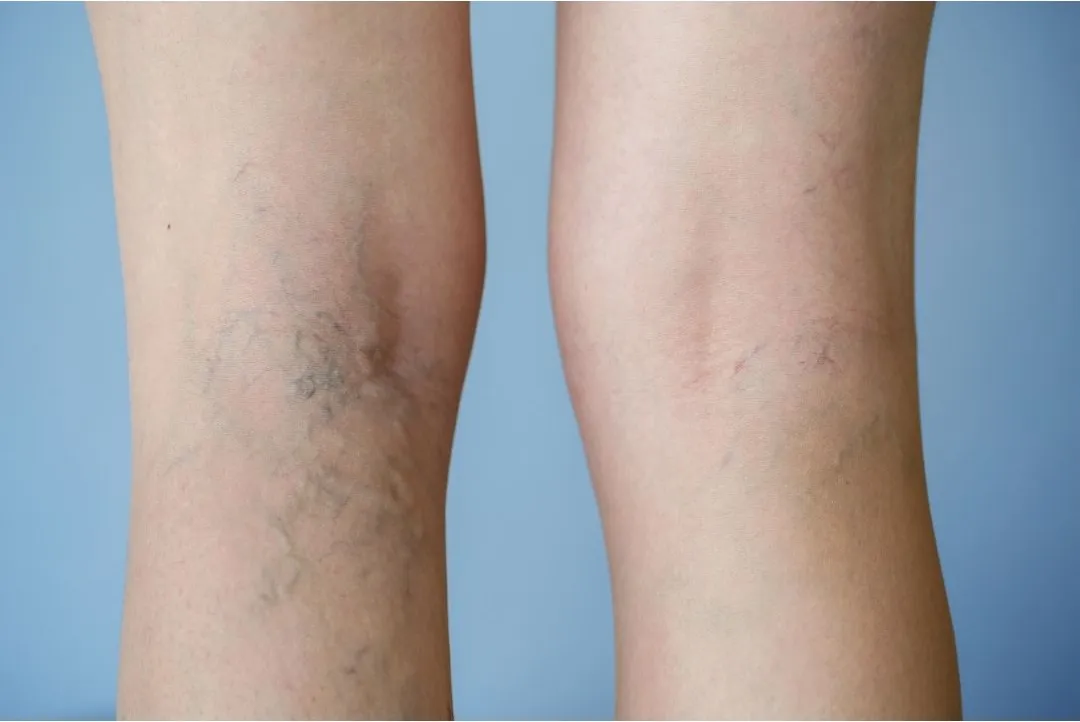
- New or worsening varicose veins
A venous duplex ultrasound can check for clots. It takes about 30 minutes.
Who is at higher risk
- People with a past DVT or clotting disorder
- Recent major surgery or injury
- Cancer or blood diseases
- Long periods of not moving, like a long car ride or bed rest
- Obesity and other medical problems
FCCI notes DVT occurs in over 900,000 cases in the U.S. each year.
Vein problems that are not clots
Chronic venous insufficiency, or CVI, is one of the most common vein conditions. It is more than varicose veins. If left untreated, CVI can lead to swelling, serious infections of the lower legs and blood clots. FCCI's Vein Clinic looks at vein health as part of your overall health, with accredited vascular testing and registered vascular technologists.
When it is not a vein problem
Sometimes testing shows your veins are fine. Then your symptoms may point to something else, such as the heart, lungs or sleep. FCCI has specialists in cardiology, sleep medicine, wound care and pulmonology who can keep looking for the answer.
Next steps
If your leg is swollen and painful, call your doctor today or go to urgent care. For ongoing swelling or vein concerns, book a visit at the Palatka office. Your provider can order a venous ultrasound and make a plan. For people at high risk of clots traveling to the lungs, FCCI's cath labs can place venous filters.
Questions to ask at your visit
If your legs are swollen, ask:
- Could my swelling be a clot?
- Do I need a venous ultrasound?
- Is this a vein problem or something else?
- What raises my clot risk?
- What should I do on long car rides?
Care close to home in Palatka
Leg swelling can make long car rides uncomfortable. Getting checked in Palatka keeps the drive short, and you can come back easily for repeat ultrasounds.
Vein and clot testing are covered under many plans FCCI accepts: Medicare, Medicaid of Florida, Blue Cross Blue Shield, Aetna, Cigna, Humana, United Healthcare, Tricare and more. Self-pay rates are available too.
Why patients choose FCCI
Swollen legs and clot concerns are checked at 205 Zeagler Drive, Suite 101 in Palatka, convenient for Crescent City, Interlachen, San Mateo and East Palatka. If a filter or other procedure is needed, the accredited cath lab is in the same building.
FCCI has handled vein and clot problems across Northeast Florida since 2002. If a clot ever puts you in HCA Florida Putnam Hospital, FCCI physicians cover there around the clock.
Not sure if your swelling needs a look? Call 386.325.2836, Monday to Friday, 8 a.m. to 5 p.m., or request a visit online without adding health details.