Pain, cramping or tiredness in your calves, thighs or hips when you walk, which eases when you stop, can be a sign of peripheral artery disease (PAD). PAD means the arteries to your legs are narrowed or blocked. It is common, it is often missed, and it can be treated.
First Coast Cardiovascular Institute treats PAD in its outpatient cath labs, including the one in Palatka. Here is what to know.
Signs of PAD
- Leg pain or cramping with walking that eases with rest
- Cold feet or legs
- Skin color changes on the legs or feet
- Swelling
- Sores on the toes, feet or legs that heal slowly or not at all
- Weak or missing pulses in the feet
People with diabetes, smokers and people with heart disease are at higher risk. Many people blame leg pain on age or arthritis. It is worth getting checked.
How PAD is found
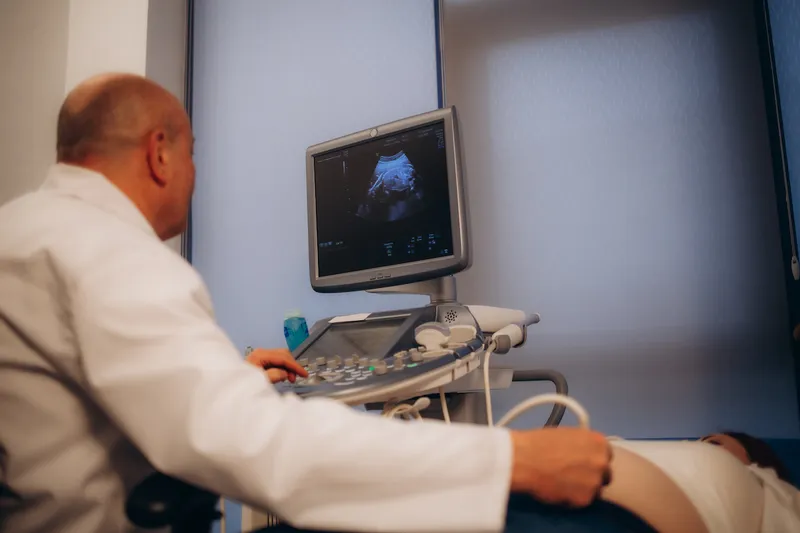
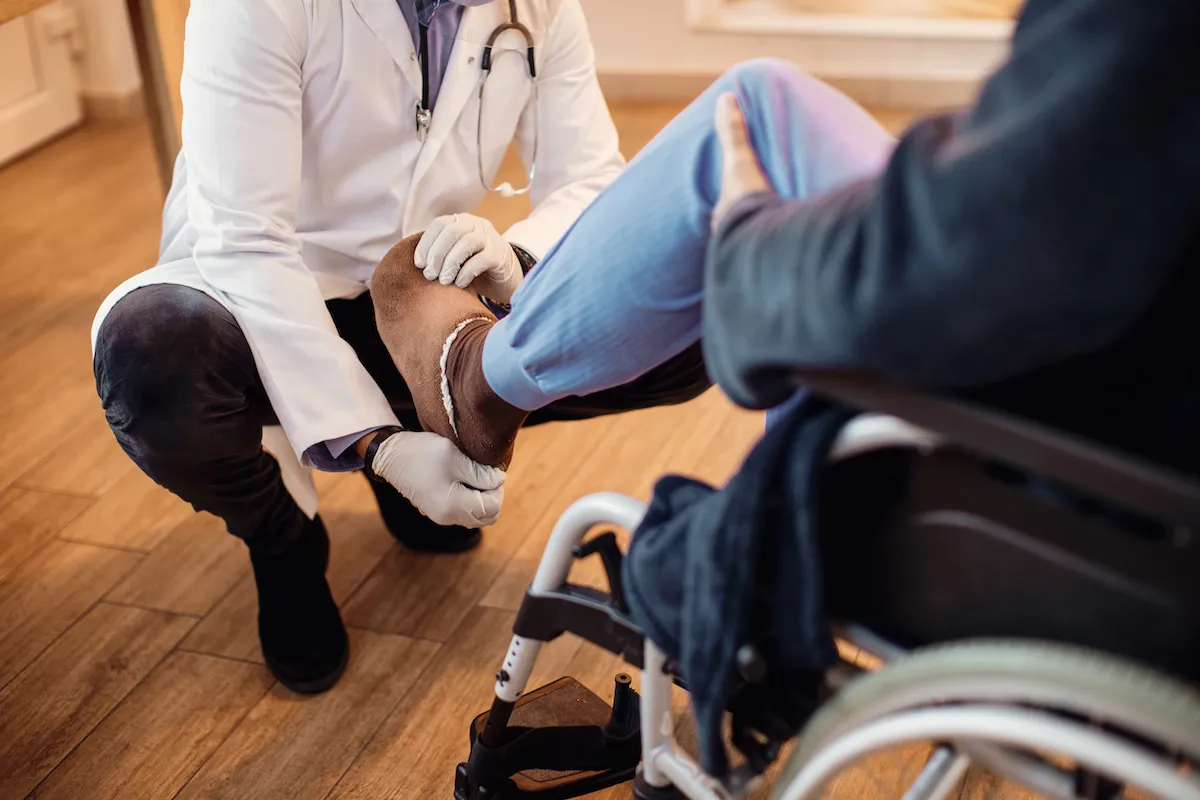
It starts with a visit and an exam of your legs and feet. Your provider may order a non-invasive vascular ultrasound to look at blood flow in your arteries. FCCI's non-invasive vascular lab is accredited and dedicated to vascular testing.
If more detail is needed, your doctor may recommend peripheral angiography in the cath lab. This uses a thin catheter and X-ray to look directly at the leg arteries, and often allows treatment in the same visit.
Treatment options
Treatment depends on how severe the blockage is and how it affects your life. It can include walking programs, medicines and quitting smoking. When blockages are severe, FCCI's doctors can reopen arteries using:
- Balloons (angioplasty)
- Stents
- Atherectomy devices that remove plaque
- Shockwave lithotripsy for hard, calcified blockages
In 2018, Dr. Yazan Khatib became the first physician in Northeast Florida to offer Shockwave intravascular lithotripsy for PAD. In 2013, FCCI was among the first in Florida to offer drug-eluting stents in the legs to reduce repeat blockages.
Why it matters
PAD is about more than sore legs. When blood flow drops too low, wounds may not heal and tissue can be damaged. FCCI is proud of its history of preventing amputations and believes amputation should always be the last resort. Finding PAD early gives you more options.
Getting checked in Palatka
You can start with a visit at FCCI's Palatka office at 205 Zeagler Drive. If you need a procedure, the Palatka outpatient cath lab is right there. Patients from East Palatka, San Mateo, Interlachen and Crescent City can get care close to home.
Questions to ask at your visit
If your legs ache when you walk, ask:
- Could my leg pain be PAD?
- Do I need a vascular ultrasound?
- Would a walking program help?
- Am I a candidate for a procedure?
- How do I protect my feet?
Care close to home in Palatka
PAD checks for Putnam County happen at 205 Zeagler Drive, Suite 101 in Palatka. If your leg arteries need opening, the accredited cath lab in the same building can often do it without a trip to Jacksonville.
FCCI has been treating leg artery disease in Northeast Florida since 2002 and is proud of its record of preventing amputations. If PAD ever puts you in HCA Florida Putnam Hospital, FCCI physicians cover there 24/7.
Tired of calf pain cutting your walks short? Call 386.325.2836, Monday to Friday, 8 a.m. to 5 p.m., or request a visit online. Describe your symptoms on the call, not in the form.