You should see a cardiologist when you have symptoms that could come from your heart or blood vessels, when your family doctor finds something worth a closer look, or when your risk factors are stacking up. In Putnam County, you do not have to drive to Jacksonville to do it. First Coast Cardiovascular Institute (FCCI) has an office and outpatient cath lab at 205 Zeagler Drive in Palatka.
This guide walks through the most common reasons people book a visit, what happens at the first appointment, and how to make the most of it. It is general information, not medical advice. Your own doctor knows your history best.
Symptoms worth a visit
Some symptoms point straight at the heart. Others are easy to brush off. These are all good reasons to call:
- Chest pressure, tightness or discomfort, especially with activity, that eases with rest
- Shortness of breath doing things that used to be easy, like climbing stairs or carrying groceries
- A heartbeat that races, pounds, flutters or feels irregular
- Dizziness or near-fainting
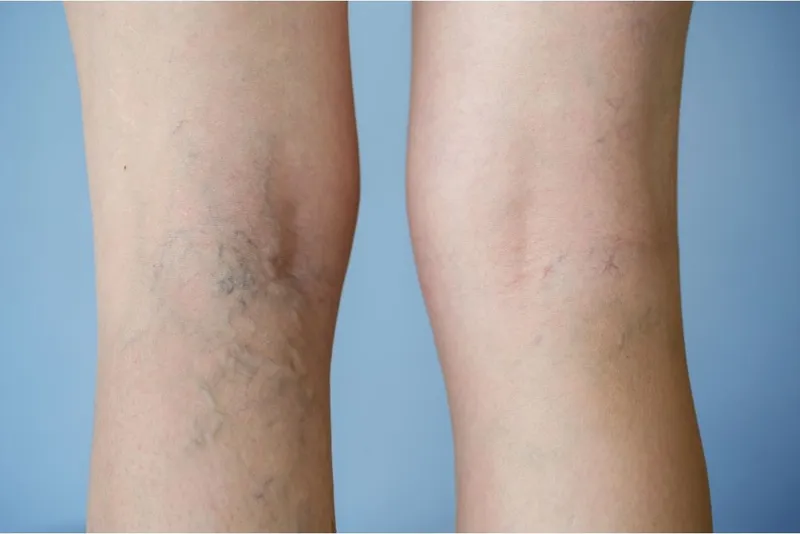
- Swelling in the feet, ankles or legs
- Pain or cramping in your calves or thighs when you walk that stops when you rest
- A sore on your foot or leg that will not heal
Any one of these deserves a conversation. Several together deserve it sooner.
If the reason you are wondering is happening right now, such as chest pain, trouble breathing, fainting or stroke signs like a drooping face, weak arm or slurred speech, skip the appointment and call 911.
Risk factors that add up
Even without symptoms, some people benefit from seeing a cardiologist. Risk factors include high blood pressure, high cholesterol, diabetes, smoking, carrying extra weight, sleep apnea, kidney disease and a family history of heart disease at a young age. Your primary care doctor may refer you when these pile up or when a routine EKG or blood test looks off.
A cardiologist can help you sort out which risks matter most for you and which tests, if any, make sense. Sometimes the answer is reassurance and a plan. Sometimes it is a test to look closer.
What happens at your first visit
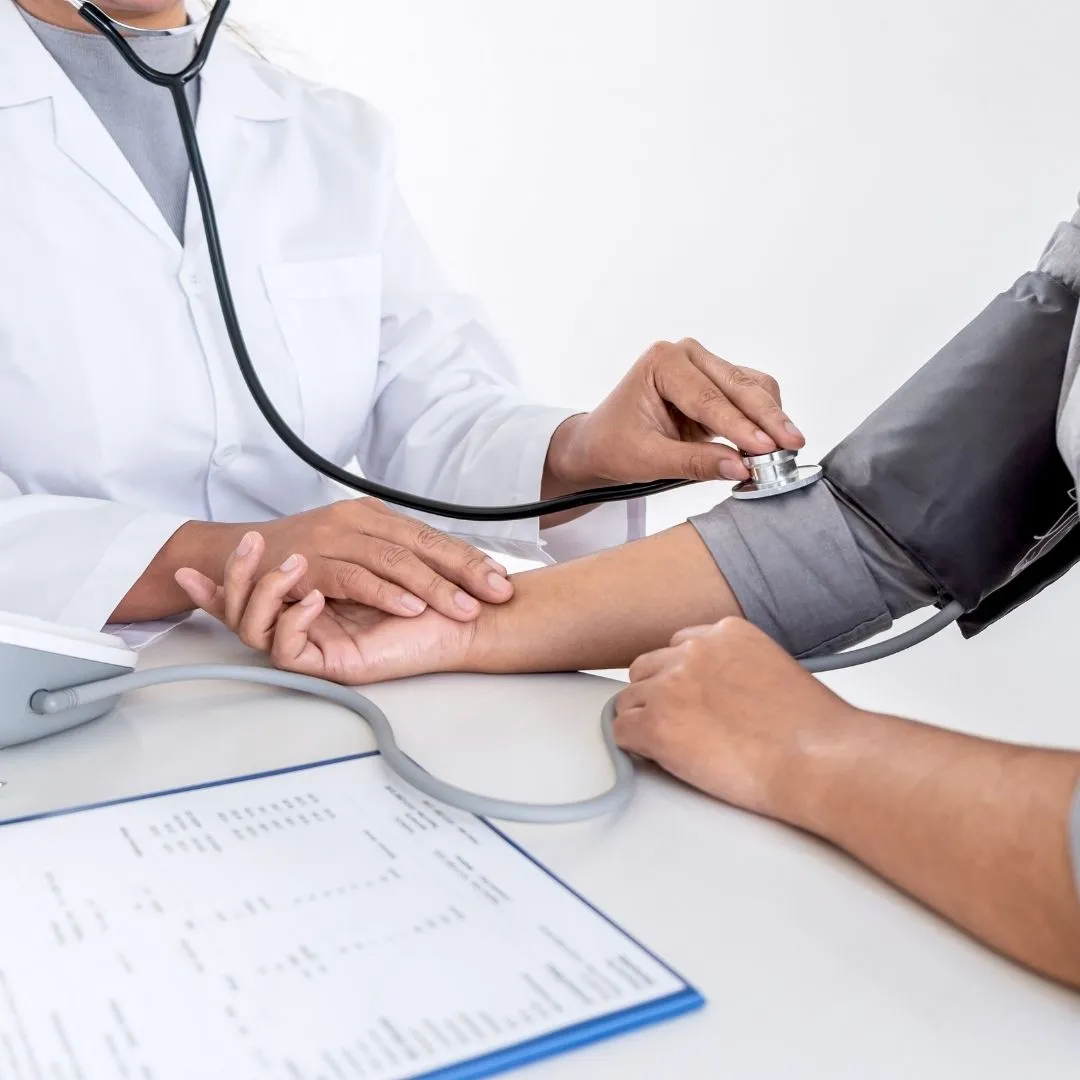
Your first appointment is mostly a conversation. Expect questions about your symptoms, your medicines, your family history and your daily life. The provider will listen to your heart and lungs, check your blood pressure and look at your legs and feet. You may get an EKG in the office.
From there, your provider may suggest tests. Common ones include an echocardiogram (an ultrasound of the heart), a stress test or a vascular ultrasound. Palatka is one of FCCI's five nuclear cardiology lab locations, so many patients can do stress testing right here.
Getting the most out of the appointment
- Bring every medicine bottle or a complete list with doses
- Write down when your symptoms happen and what you were doing
- Bring recent test results or hospital papers
- Bring a family member if you like; two sets of ears help
- Ask what the next step is before you leave
It is fine to ask the same question twice. Good care means you leave understanding your plan.
Why local matters
FCCI has served Northeast Florida since 2002 and serves Putnam County from its Palatka office. That means checkups, follow-ups, testing and many outpatient procedures can happen in town. If you are ever admitted to HCA Florida Putnam Hospital, FCCI provides physician coverage there 24 hours a day, 7 days a week. Ask for an FCCI physician.
Care team members like Cecilia Pitts, APRN, who has lived in the Palatka area most of her life, and Kortney Winkleman, APRN, a Putnam County native, know the community because it is their community too.
Questions to ask at your visit
Wondering if it is time? Take these questions with you:
- Do my symptoms sound like they come from my heart?
- Which of my risk factors matters most?
- Do I need any tests, and why?
- Can those tests be done in Palatka?
- When should I come back?
Care close to home in Palatka
For non-urgent concerns, a first cardiology visit can happen at 205 Zeagler Drive, Suite 101 in Palatka, close by for East Palatka, San Mateo, Crescent City and Interlachen. If your cardiologist later recommends testing or a procedure, the same building houses an accredited cath lab and one of FCCI's five nuclear labs.
FCCI has been seeing new patients across Northeast Florida since 2002 and has more than 30 providers, so you are not waiting on a single doctor. If you ever end up at HCA Florida Putnam Hospital instead, FCCI physicians cover there day and night.
Still unsure whether it is time? Call 386.325.2836, Monday to Friday, 8 a.m. to 5 p.m., and talk it through with the front desk. You can also request a visit online; just save the health details for the phone call.